Selected external articles from Olive Oil Times. Included for contextual awareness, not as editorial endorsement.
Olive Gala 2025 marked a milestone for Pakistan’s emerging olive sector, drawing more than 25,000 visitors and significantly surpassing attendance at previous editions. The event brought together policymakers, farmers, international experts and industry stakeholders from across the country, highlighting the expanding scope and growing confidence surrounding olive cultivation in Pakistan.
Speaking about the event’s growth, Dr. Muhammad Tariq, national director of PakOlive, said participation has steadily increased each year, reflecting rising interest and momentum across the sector.
He pointed to shifting demographics within agriculture, noting that young people and women are increasingly engaging in olive farming. According to Tariq, producers are also placing greater emphasis on quality, branding and packaging to meet international standards.
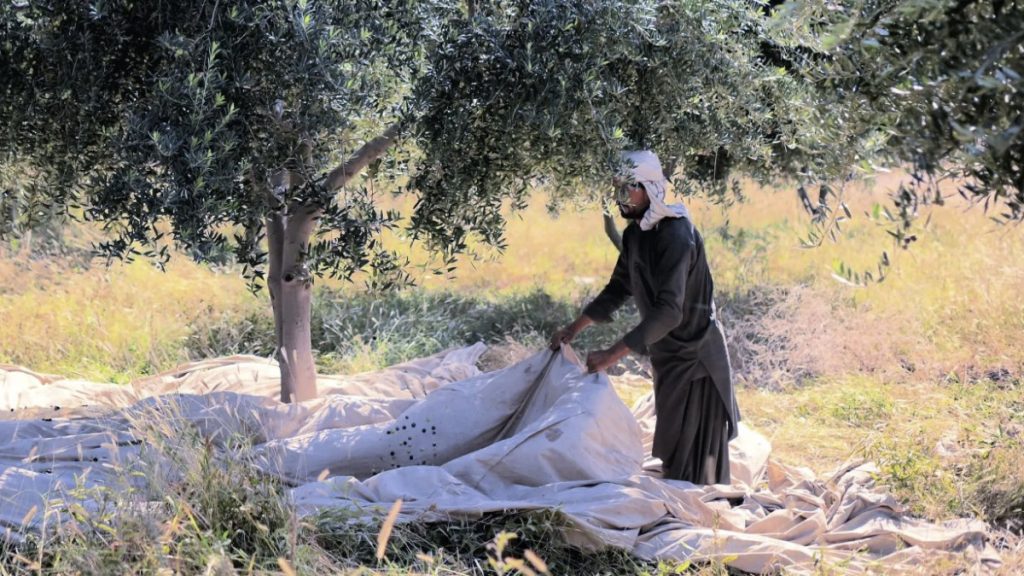
Tariq added that Balochistan has emerged as a new focal point for olive cultivation, with growing demand for both plantation material and extra virgin olive oil. He said interest in the crop has increased sharply in the province.
Looking ahead, Tariq said a national olive policy is currently awaiting cabinet approval. The proposed framework aims to promote sustainability, improve governance and regulate the import and export of extra virgin olive oil, with expectations for positive outcomes once adopted.
International participation was also a key feature of the gala. An agricultural expert from Italy emphasized the cultural and historical significance of olive cultivation, describing the crop’s expansion in Pakistan as both natural and deeply meaningful.
The expert noted Pakistan’s extensive heritage of wild olive trees, explaining that this has helped cultivated varieties adapt well to local conditions. He said Italian experience shows that agronomic management and a sustained focus on quality are essential for long-term success.
He also highlighted ongoing cooperation through training programs and academic exchanges, including initiatives that allow Pakistani students to study at agricultural institutions in Italy. According to the expert, the professional capacity of local specialists continues to improve.
Loralai Olives, an award-winning local producer, also participated in the event. Chief executive and co-founder Shaukat Rasool said the gala offered an opportunity to engage directly with consumers and showcase Pakistan’s growing capabilities.
Rasool said consumer response reflected rising national confidence in locally produced olive oil. He noted that demand is increasing as more consumers shift from imported oils to domestic brands, particularly in major cities including Karachi, Lahore and Islamabad.
International interest is also growing, Rasool said, adding that recent participation in trade events has generated strong overseas inquiries. With international shipments expected to begin soon, he anticipates export volumes could surpass domestic sales.
He said government support has played an important role in the company’s growth, citing encouragement from the Ministry of National Food Security and Research. Rasool added that revisiting the general sales tax on locally produced olive oil could help lower prices and further stimulate the sector.
From the scientific and horticultural perspective, Shavir Masrur, assistant general manager at Izhar Farms Pvt. Ltd., described how the company has developed advanced nursery and tissue culture facilities to supply disease-free planting material.
Masrur said Izhar Farms operates with a team of PhD scientists, trained horticulturists and international experts, following global standards in plant health management and nursery production.
While government subsidies and training programs have helped raise awareness, Masrur said their impact could be improved through better coordination, stronger monitoring and closer links between farmers and researchers.
He also emphasized the importance of regional zoning, noting that productivity and oil yields vary significantly across Pakistan. According to Masrur, areas such as Balochistan outperform marginal regions like Potohar, where lower yields make long-term sustainability more challenging for farmers.
Representatives from Helping Hand for Relief and Development Pakistan described Olive Gala as a valuable platform for promoting sustainable livelihoods. Through its skills development programs, the organization supports farmers by improving technical capacity and on-farm productivity.
The organization highlighted the suitability of olive trees for Pakistan’s arid and semi-arid regions, noting their relatively low water requirements. It also pointed to youth-focused initiatives, including plantation projects that engage students in environmental stewardship and climate awareness.